
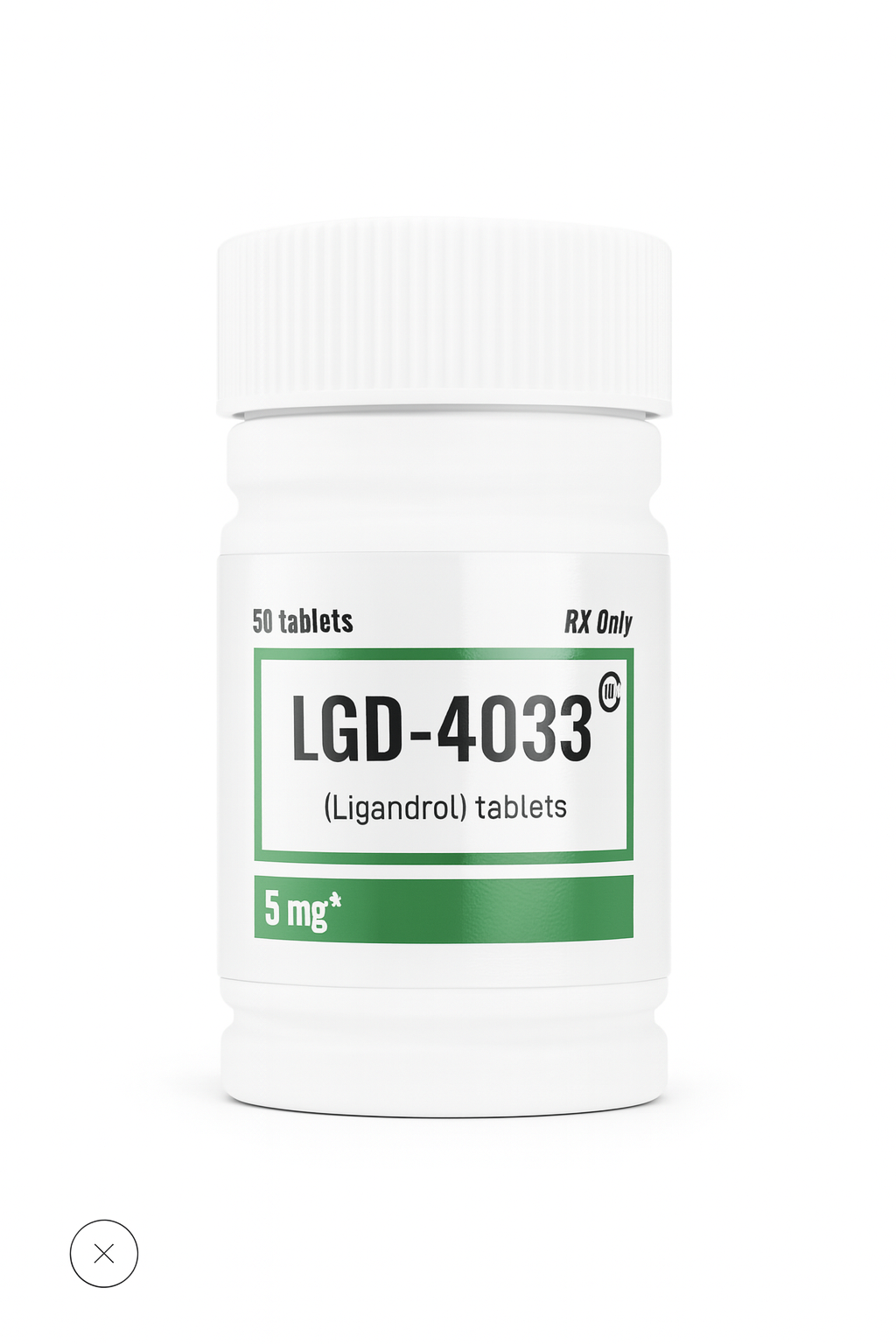
LGD-4033 (Ligandrol) — Research Overview
LGD-4033 (developmental code VK5211; trade name Ligandrol) is a non-steroidal selective androgen receptor modulator (SARM) originally developed by Ligand Pharmaceuticals and later advanced by Viking Therapeutics. It demonstrates nanomolar affinity for the androgen receptor (AR) and exceptional selectivity for muscle and bone tissue over reproductive and sebaceous tissues — the defining characteristic of SARM pharmacology.
Mechanism of Action
LGD-4033 binds to the androgen receptor’s ligand-binding domain (LBD) with high affinity (Ki ~1 nM). Unlike testosterone, which activates AR broadly through all tissues, LGD-4033’s tissue-selective activity is mediated by differential coactivator recruitment. In muscle and bone, it recruits transcriptional coactivators (e.g., SRC-1, SRC-3) that drive anabolic gene programs. In prostate and sebaceous tissues, the receptor-ligand complex adopts a different conformation, resulting in reduced activation of androgenic gene programs.
This tissue-selective conformational difference is the mechanistic basis of SARM pharmacology and is an active area of structural biology research.
Research Applications
LGD-4033 is studied in multiple research contexts:
- Muscle wasting research: Cachexia, sarcopenia, and post-surgical muscle loss models — LGD-4033 has demonstrated significant lean mass increases in Phase I clinical trials
- Bone mineral density: Anabolic effects on osteoblast activity and cortical/trabecular bone density in osteoporosis models
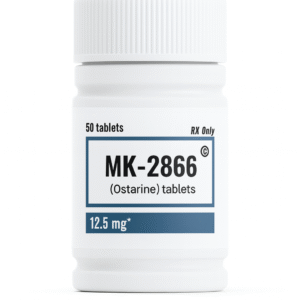
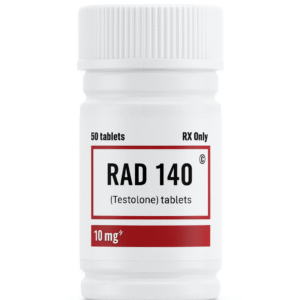
- SARM comparative pharmacology: Selectivity profile vs. RAD-140, MK-2866, and S-4 — LGD-4033 is considered one of the most potent SARMs by mass in published literature
- HPG axis research: LH/FSH suppression kinetics at various doses — LGD-4033 suppresses gonadotropins in a dose-dependent manner
- Convalescent and rehabilitative models: Phase II trials (VK5211) for hip fracture recovery studied LGD-4033’s ability to accelerate functional recovery
Published Human Pharmacokinetics
A Phase I dose-escalation study (Basaria et al., 2010) established LGD-4033’s human PK profile: excellent oral bioavailability, half-life of 24–36 hours supporting once-daily dosing, and dose-proportional plasma exposure. The study confirmed lean mass gains and dose-dependent suppression of total testosterone, SHBG, FSH, and LH — demonstrating expected HPG axis modulation consistent with androgen receptor agonism at the pituitary.
Key Research Distinctions
LGD-4033 is distinguished from other SARMs by its relatively high potency at the AR (nanomolar affinity vs. micromolar for some first-generation SARMs) and its well-established human pharmacokinetic data from clinical trials. This makes it one of the most clinically-characterized SARMs available for research use.
Supplied For
Research and laboratory use by qualified investigators under appropriate regulatory and ethical oversight. Not for human consumption. Certificate of Analysis available upon request.
Reviews
There are no reviews yet.