Stanozolol — Research Overview
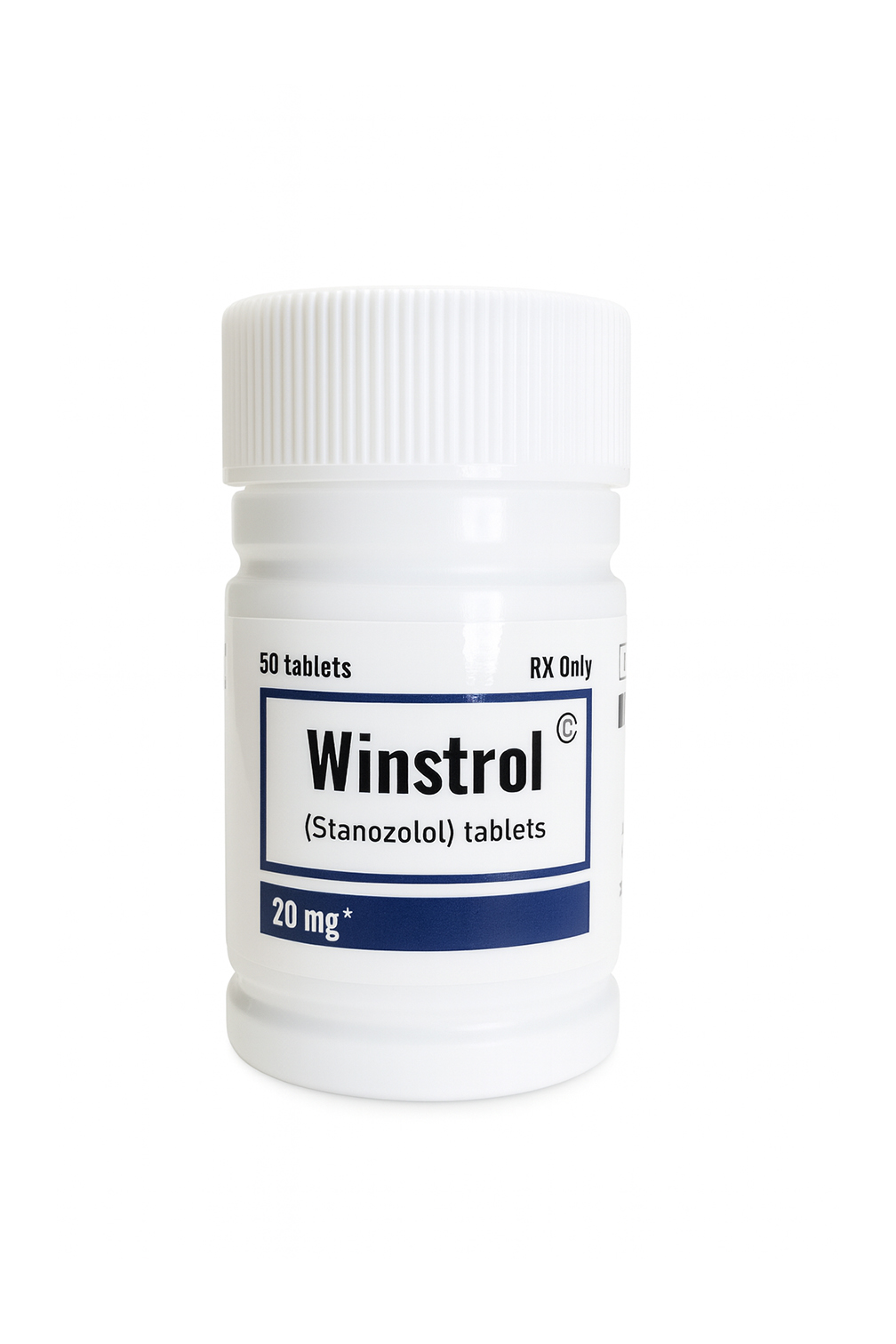
Stanozolol (trade name Winstrol) is a synthetic anabolic-androgenic steroid (AAS) structurally derived from dihydrotestosterone (DHT) via the addition of a pyrazole group at the A-ring. This modification produces a compound with a distinct pharmacological profile — high anabolic-to-androgenic ratio, no aromatization to estrogen, and unusually low sex hormone-binding globulin (SHBG) binding affinity — features that make it a useful research compound for dissecting androgen receptor-mediated anabolic signaling.
Mechanism of Action
Stanozolol binds to androgen receptors (AR) in target tissues, forming AR-stanozolol complexes that translocate to the nucleus and regulate transcription of androgen-responsive genes. Key pathways include:
- Upregulation of nitrogen retention and protein synthesis genes in skeletal muscle
- Stimulation of erythropoietin (EPO) secretion from renal interstitial cells → increased red blood cell production
- AR-mediated effects on bone mineral density and collagen synthesis
- Suppression of SHBG synthesis in the liver, increasing free androgen bioavailability
Importantly, stanozolol does not undergo aromatization (conversion to estradiol via CYP19A1), making it valuable in research designs where estrogen confounders must be eliminated.
Research Applications
Stanozolol is used in research investigating:
- Muscle protein synthesis: AR agonism and mTOR pathway activation in skeletal muscle hypertrophy models
- Hereditary angioedema (HAE): Stanozolol upregulates C1-esterase inhibitor (C1-INH) — research on complement cascade regulation
- Erythropoiesis: Anemia models studying androgen-stimulated EPO production
- Bone metabolism: Anabolic effects on osteoblast function and bone density in osteoporosis models
- SHBG pharmacology: Stanozolol’s exceptionally low SHBG binding is studied in androgen bioavailability research
- Tendon biology: Dose-dependent effects on collagen synthesis — stanozolol shows a biphasic profile with low doses potentially beneficial and higher doses detrimental to collagen structure
- Comparative AAS pharmacology: No-estrogen comparator in multi-compound androgen research designs
Pharmacokinetic Profile
Stanozolol is available in both oral (17α-alkylated) and injectable (aqueous suspension) forms. The 17α-alkylation confers oral bioavailability (~10–15%) at the cost of hepatic first-pass burden. The injectable form bypasses hepatic first-pass and has a shorter half-life (~24 hours) compared to the oral form (~9 hours for the metabolite window). Both forms are detected in standard androgen receptor binding and metabolite studies.
Key Research Distinctions
Stanozolol is notable for its pyrazole A-ring modification — no other commonly studied AAS shares this structural feature. This provides researchers with a structurally unique AR agonist that eliminates aromatization, reduces SHBG displacement competition, and offers a distinct receptor-binding kinetics profile compared to testosterone esters or 19-nor compounds.
Supplied For
Research and laboratory use by qualified professionals under appropriate regulatory and ethical frameworks. Not for human consumption. Certificate of Analysis available upon request.

Reviews
There are no reviews yet.