
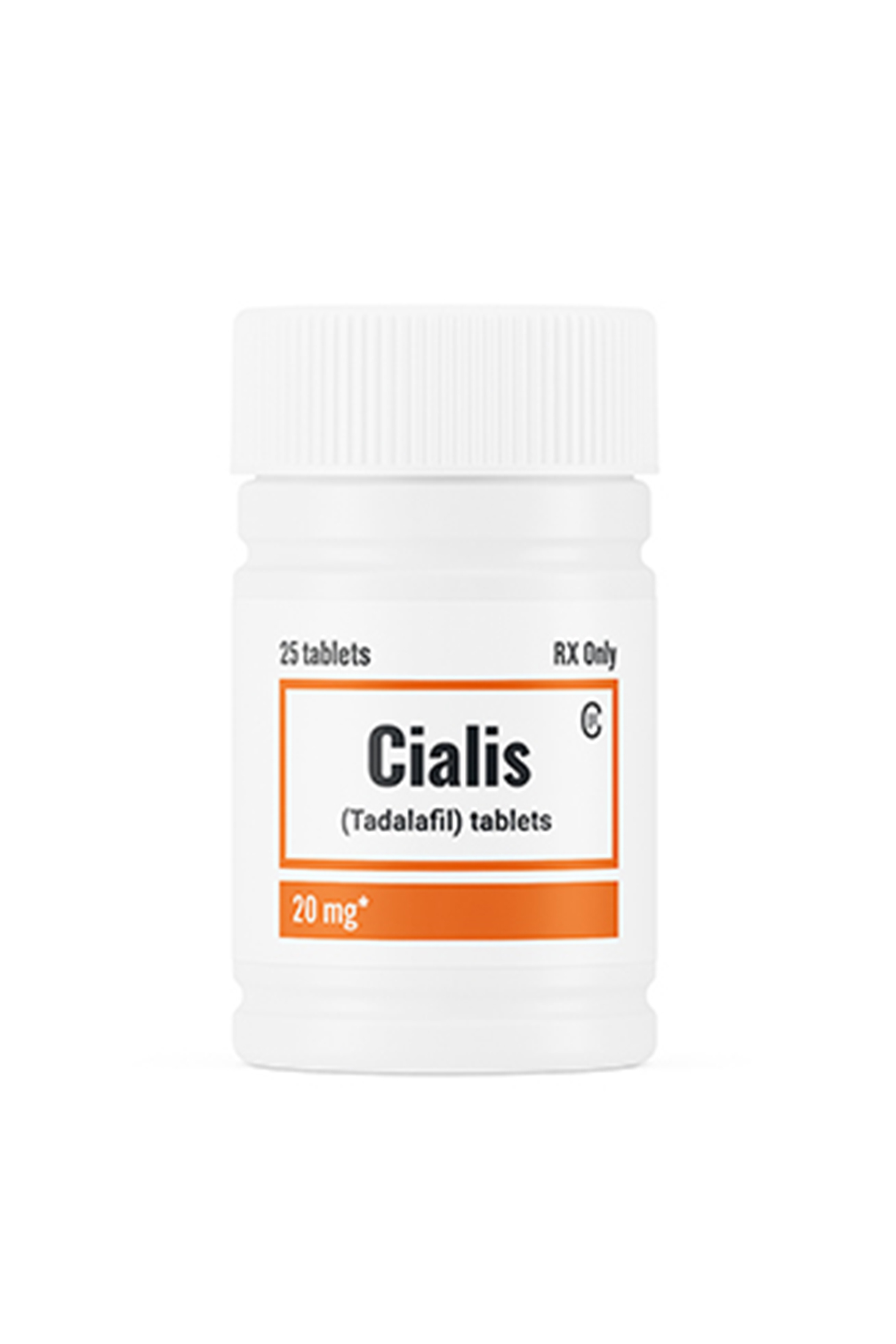
Cialis: Research Reference Overview
This catalog listing is supplied for analytical, in-vitro, and controlled laboratory research. Researchers are responsible for independently evaluating identity, documentation, analytical methods, handling requirements, and protocol suitability.
Catalog specifications
| Catalog name | Cialis |
|---|---|
| SKU | BP-9037 |
| Research category | Research Compounds |
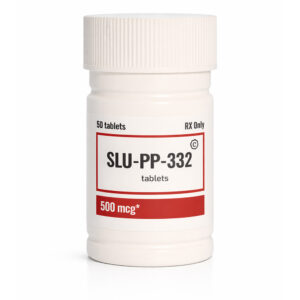
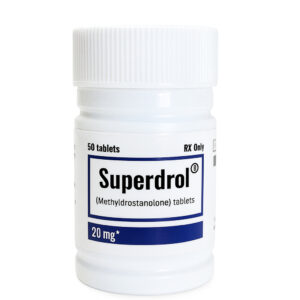
| Format | Refer to the product label, listing image, and current catalog details |
| Intended use | Controlled laboratory and in-vitro research only |
Evidence and documentation limits
A commercial catalog name does not establish pharmaceutical equivalence, clinical safety, efficacy, purity, sterility, or regulatory approval. Batch documentation must be evaluated independently when available. No unsupported testing or purity claim is made by this listing.
Research-use questions
Does this listing provide dosing or administration instructions?
No. BioPharma does not provide dosing, cycle, route, injection, treatment, or human-use guidance.
Is this an approved medication or consumer supplement?
No. This listing is presented strictly as a laboratory research reference and is not represented as an approved medication, food, supplement, cosmetic, or medical device.
Research-use notice: Not for human or veterinary use, diagnosis, treatment, consumption, or administration.

Mike (verified owner) –
Another order delivered in under 48hrs !!!