
Exemestane — Research Overview
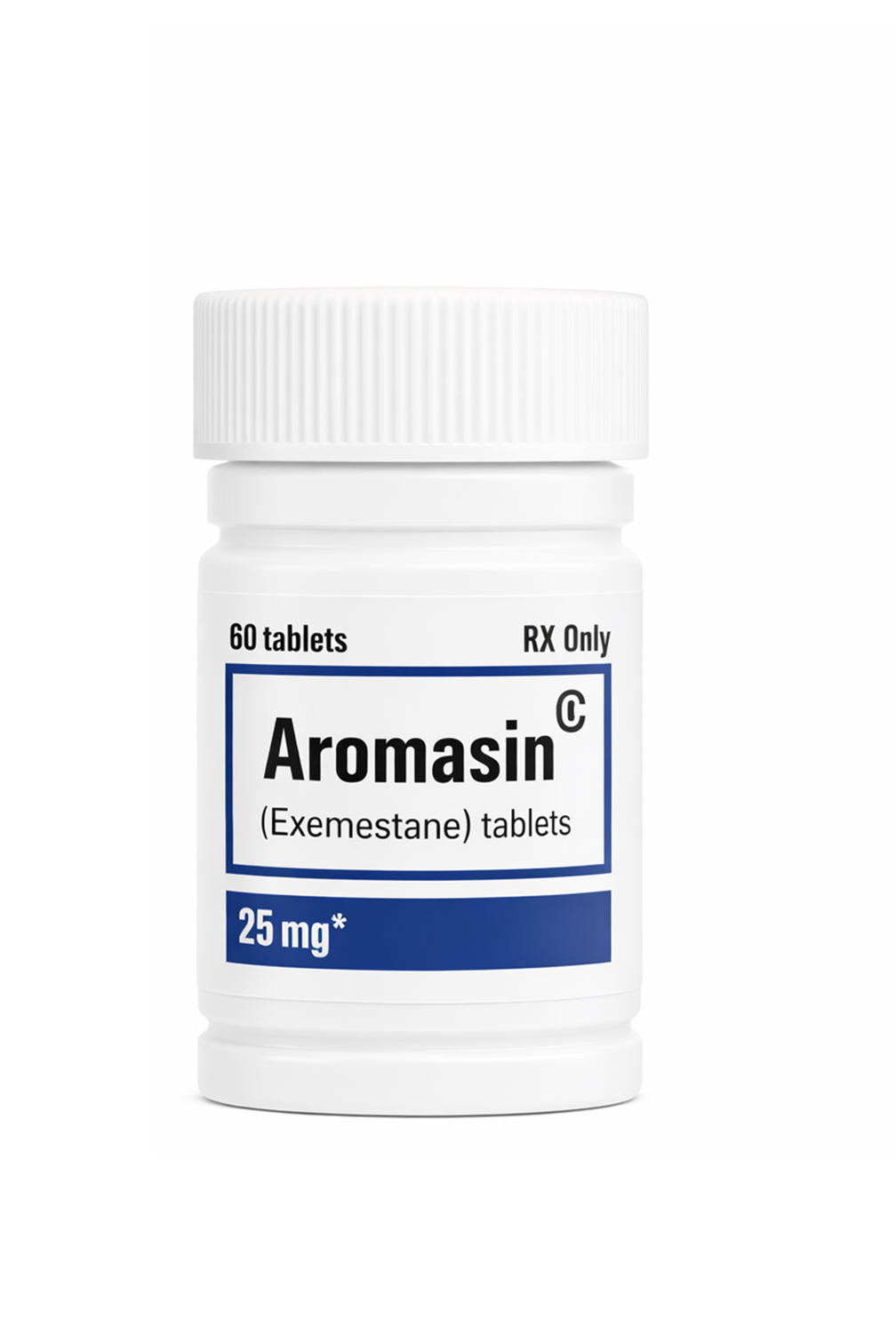
Exemestane (trade name Aromasin) is a steroidal, irreversible aromatase inactivator belonging to the Type I class of aromatase inhibitors. It works by binding covalently and permanently to the aromatase enzyme (CYP19A1), rendering it inactive — a mechanism often referred to as “suicide inhibition.” This distinguishes it from non-steroidal, reversible AIs such as anastrozole and letrozole.
Mechanism of Action
The aromatase enzyme converts androgens (testosterone, androstenedione) into estrogens (estradiol, estrone) in peripheral tissues including adipose, muscle, and liver. By permanently inactivating this enzyme, exemestane suppresses systemic estrogen production at the source. Because the inhibition is irreversible, enzyme activity only recovers through new aromatase synthesis — a slower process than competitive inhibition reversal.
Research Applications
Exemestane is studied in the context of:
- Estrogen-dependent cell line research (e.g., MCF-7 breast cancer models)
- Hormonal axis studies examining LH, FSH, and testosterone feedback loops
- Comparative aromatase inhibition studies (Type I vs. Type II)
- Bone mineral density and metabolic research in estrogen-deficient models
- Post-cycle hormonal recovery research in androgen administration models
Pharmacokinetic Profile
Exemestane is well-absorbed orally, with peak plasma levels reached within 2 hours in clinical studies. It undergoes extensive first-pass metabolism and is highly protein-bound (~90%). Its active metabolite, 17-hydroexemestane, retains androgenic activity, which distinguishes its side-effect profile from non-steroidal AIs. Terminal half-life is approximately 24 hours.
Comparative Notes for Research
Researchers comparing aromatase inhibitors should note: exemestane’s irreversible binding means estrogen suppression persists until new enzyme is synthesized (approximately 2–4 weeks for full recovery). Non-steroidal inhibitors (anastrozole, letrozole) are reversible — estrogen levels rebound more quickly upon cessation. This pharmacodynamic difference is a key variable in comparative hormonal research designs.
Supplied For
This product is intended for research and laboratory use by qualified professionals operating under appropriate regulatory and ethical frameworks. Not for human consumption. Certificate of Analysis available upon request.
Reviews
There are no reviews yet.