Sildenafil — Research Overview
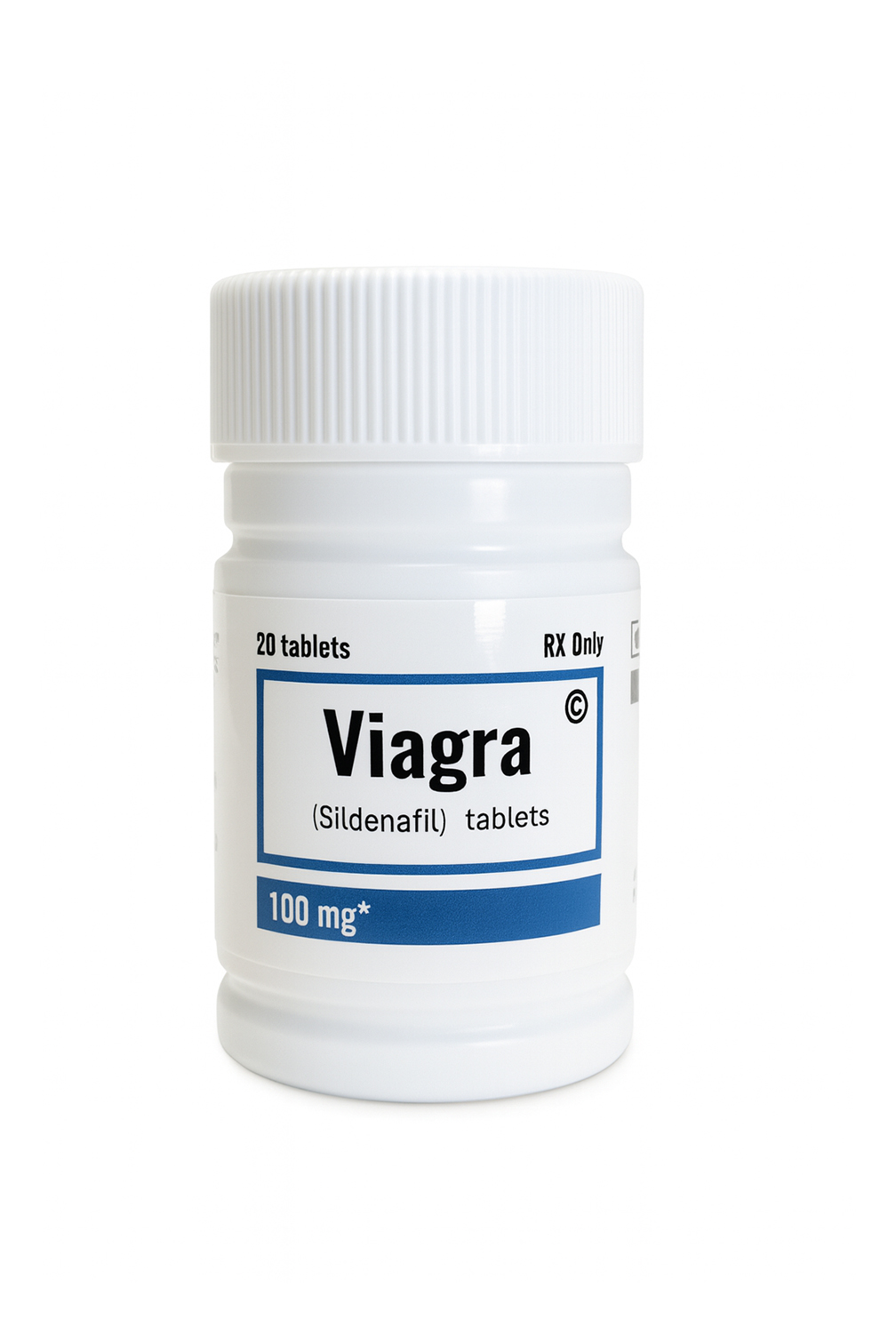
Sildenafil citrate (trade name Viagra) was the first selective phosphodiesterase type 5 (PDE5) inhibitor approved for clinical use, and remains a primary reference compound in cardiovascular, pulmonary, and smooth muscle research. Its high selectivity for PDE5 over other phosphodiesterase isoforms makes it a valuable tool for dissecting cGMP signaling pathways.
Mechanism of Action
Sildenafil competitively inhibits PDE5, the enzyme responsible for degrading cyclic guanosine monophosphate (cGMP) in smooth muscle. In the presence of nitric oxide (NO) stimulation, guanylyl cyclase produces cGMP, which activates protein kinase G (PKG). PKG phosphorylates downstream targets that reduce intracellular calcium, causing smooth muscle relaxation and vasodilation. By blocking PDE5-mediated cGMP breakdown, sildenafil amplifies and prolongs this NO-cGMP signaling cascade.
Research Applications
Sildenafil’s well-established pharmacology supports a wide range of research programs:
- Pulmonary arterial hypertension (PAH): Sildenafil is a first-line PAH therapy — research on vascular remodeling, right ventricular hypertrophy, and long-term pulmonary hemodynamics
- Cardioprotection: Preconditioning research — sildenafil-induced cardioprotection against ischemia-reperfusion injury via PKG and mitochondrial KATP channels
- Nitric oxide pathway pharmacology: NO-sGC-cGMP-PDE5 axis studies in endothelial and smooth muscle biology
- Altitude physiology: Hypoxic pulmonary vasoconstriction attenuation research
- Neuroscience: cGMP signaling in hippocampal plasticity, memory consolidation, and neurodegeneration models
- Skeletal muscle blood flow: Exercise-related muscle perfusion studies
- Comparative PDE5 inhibitor pharmacology: Onset, duration, and selectivity comparisons vs. tadalafil and vardenafil
Selectivity Profile
Sildenafil is approximately 4,000-fold more selective for PDE5 than PDE3 (cardiac). Selectivity for PDE5 over PDE6 (retinal photoreceptor) is approximately 10-fold — lower than tadalafil’s ~700-fold selectivity over PDE6. This PDE6 cross-reactivity is responsible for the transient visual disturbances (blue-tinge, increased light sensitivity) observed in clinical studies and is itself a subject of pharmacological selectivity research.
Pharmacokinetic Profile
Sildenafil is rapidly absorbed with a Tmax of ~60 minutes. Oral bioavailability averages ~41% due to extensive first-pass metabolism. It is primarily metabolized by CYP3A4 (major) and CYP2C9 (minor) to an active N-desmethyl metabolite (UK-103,320) with approximately 50% potency of the parent compound. Terminal half-life is 3–5 hours. High-fat meals delay absorption by approximately 60 minutes and reduce Cmax by ~29% — relevant for pharmacokinetic study design.
Supplied For
Research and preclinical laboratory use by qualified investigators under appropriate ethical and regulatory frameworks. Not for human consumption. Certificate of Analysis available upon request.

Reviews
There are no reviews yet.